
Evaluating Pour Strip Methods: Modern vs. Traditional
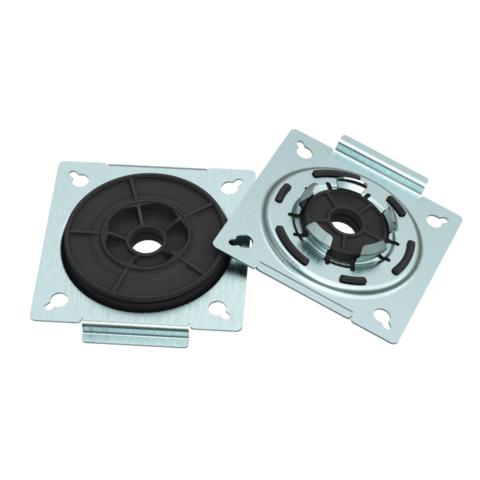
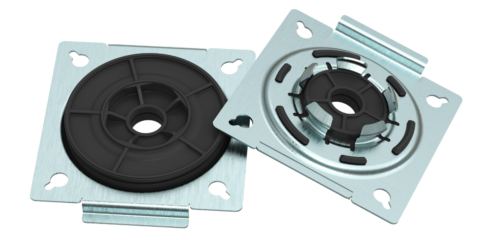
When constructing concrete buildings, the pour strip method is a popular way to install large concrete slabs. This process involves three segmental pours, leaving a large separation…

When constructing concrete buildings, the pour strip method is a popular way to install large concrete slabs. This process involves three segmental pours, leaving a large separation…
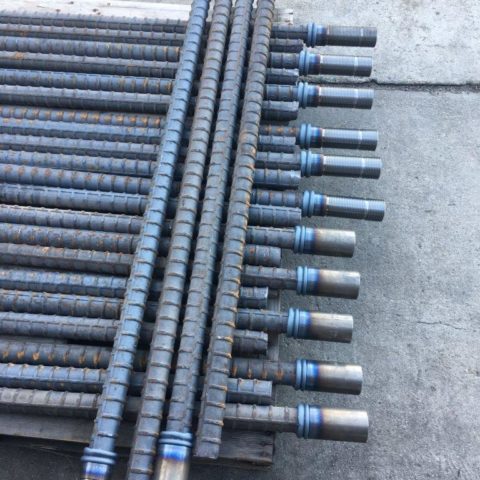

nVent LENTON Ultimate is a mechanical rebar splicing system designed to maximize performance and shop efficiency while minimizing installation difficulty in the field. The Ultimate Taper-Threaded Couplers…


Fatigue and the S-N Curve Fatigue performance refers to a building structure’s ability to withstand failure under repeated or cyclic loading. This is assessed through fatigue tests, where…
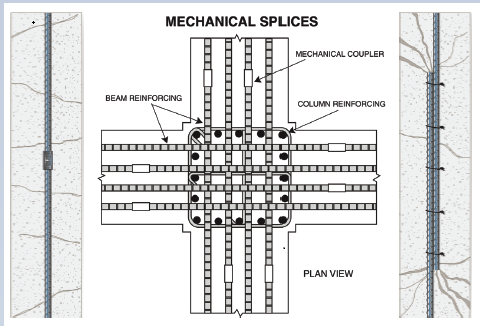
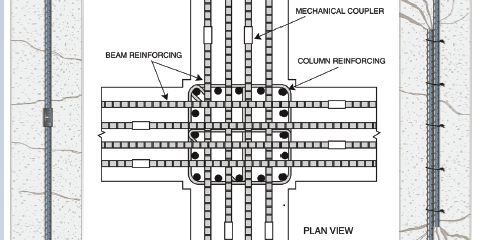
Lou Colarusso and Sam Barker from the nVent LENTON team recently wrote an article for Concrete Products about the changing landscape of the reinforced concrete construction industry to…


The Channel Tunnel Rail Link (CTRL) Project was the first major new railway in the United Kingdom in more than 100 years. The high-speed rail line cuts travel…
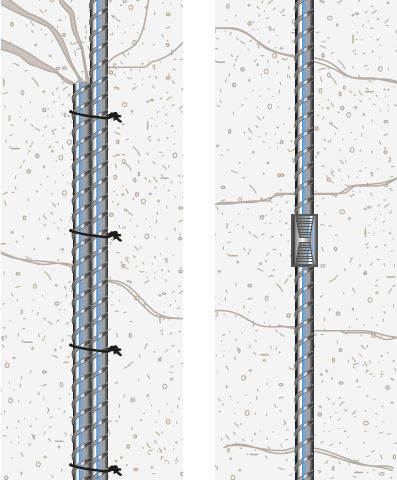
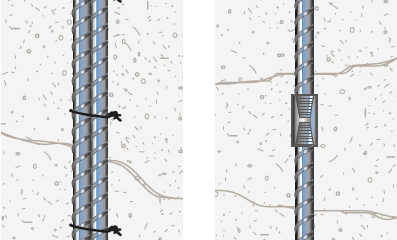
For many years, lap splicing has been the traditional method of connecting reinforcing bars . But as many structural engineers, architects and specifiers have discovered, lap splicing has…


The Kurilpa Bridge in Brisbane, the capital and most populous city in Queensland, Australia, was designed to link Brisbane city center to the arts precinct at South Brisbane,…


Why Couplers? Advantages of Using Mechanical Splices A recent trend shows that engineers are increasingly specifying mechanical coupler connections over traditional lap splices. Benefits of using mechanical couplers…